
Neighborhood Report
Hyde Park, Austin, Texas
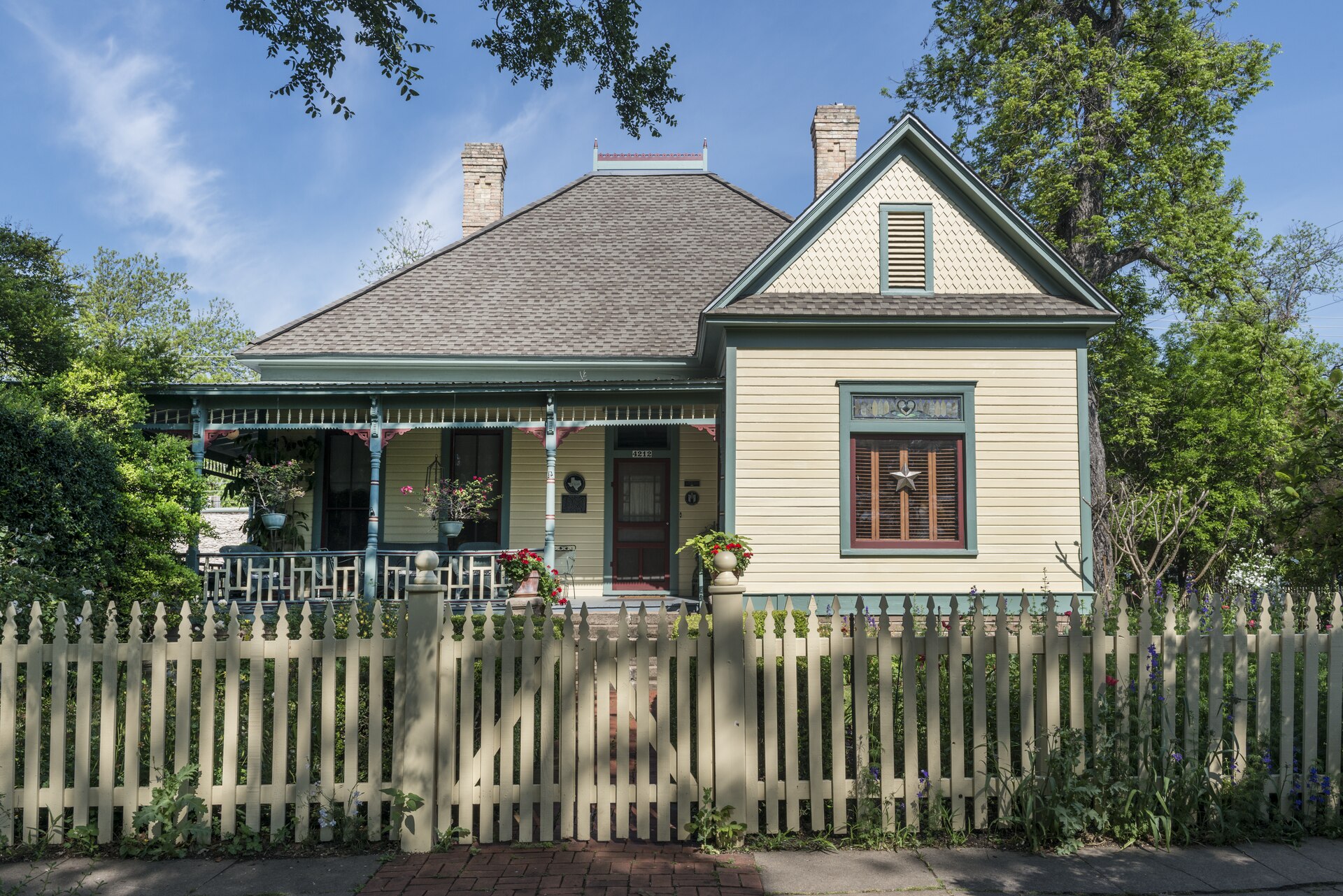
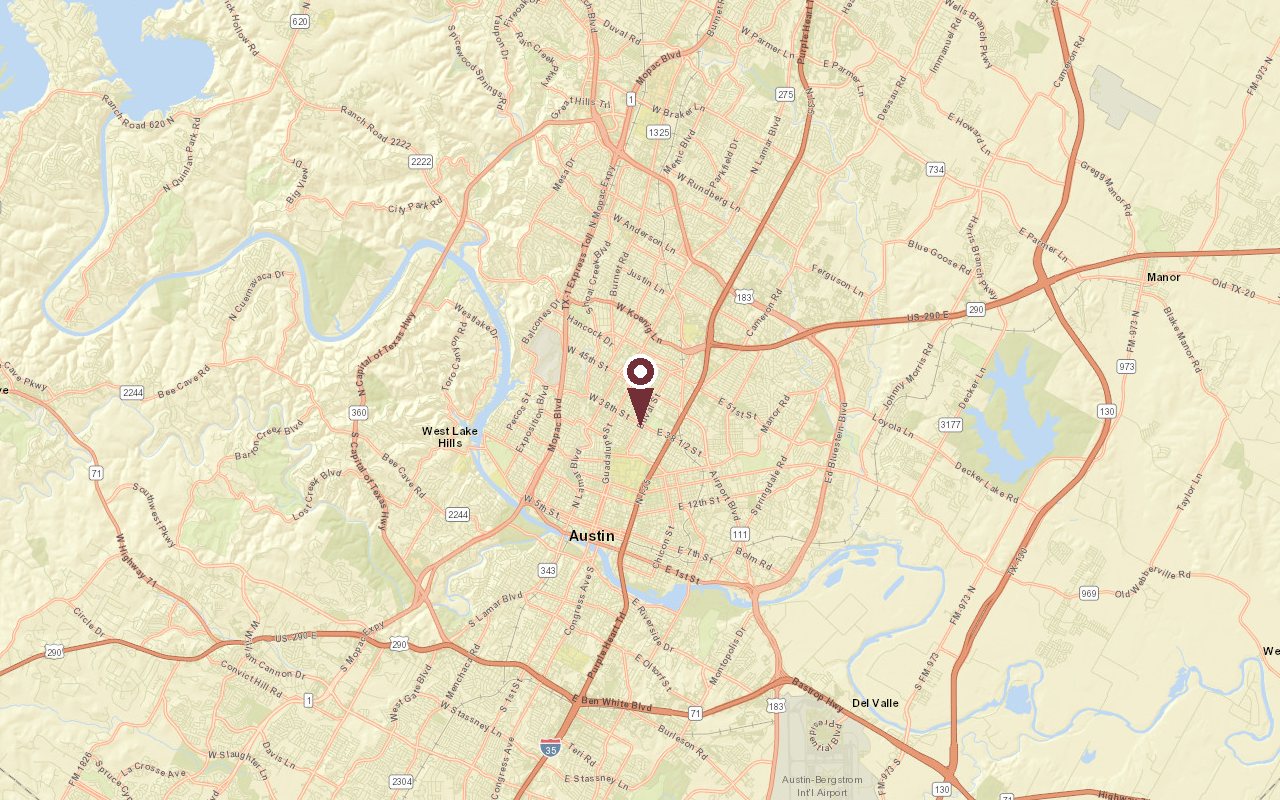
Austin's first suburb still runs on its 1891 streetcar plan: Victorian and bungalow blocks under a pecan canopy, a sculptor's limestone studio turned museum, the 43rd Street bakeries and bars, and Guadalupe Street along its western edge, three miles from Downtown.
The short version
Hyde Park
Austin's first suburb still runs on its 1891 streetcar plan: Victorian and bungalow blocks under a pecan canopy, a sculptor's limestone studio turned museum, the 43rd Street bakeries and bars, and Guadalupe Street along its western edge, three miles from Downtown.
At a Glance
Second measure: Redfin's trend module put the June 2026 median sale price at $704,755, down 11.6% year over year (Redfin, June 2026).
Premium by Austin standards, with a cooling market that gives patient buyers room to negotiate and a rental ladder that keeps a way in.Texas cost notes. Texas levies no state income tax, and property tax carries the load instead. The five adopted tax year 2026 rates for the entities taxing a Hyde Park home add up to about $2.10 per $100 of taxable value, with Austin ISD the largest share (Austin Current, October 5, 2026). A buyer at the median should budget about $13,000 a year before exemptions. The school homestead exemption now stands at $140,000, and appraisals on a homestead are capped at 10 percent growth a year.
The Story
Hyde Park began as fairgrounds. From 1875 the State Fair of Texas spread across the high prairie north of the young capital, and its horseracing track drew crowds each fall. The fair moved to Dallas in 1884, leaving the grounds idle. The track never fully left: its curve still bends 39th Street between Avenue F and Duval.
See moreSee less
Monroe Martin Shipe arrived with a plan built on rails. In 1890 the City Council awarded him Austin's streetcar franchise, and his Austin Rapid Transit Railway ran cars up Congress Avenue, west on Sixth Street, and north along the old Georgetown road, now Guadalupe Street. In 1891 the Missouri, Kansas and Texas Land and Town Company, with Shipe directing, platted Hyde Park on the fairgrounds land: Austin's first streetcar suburb, with lettered avenues, deep lots, shade trees, and an artificial lake.
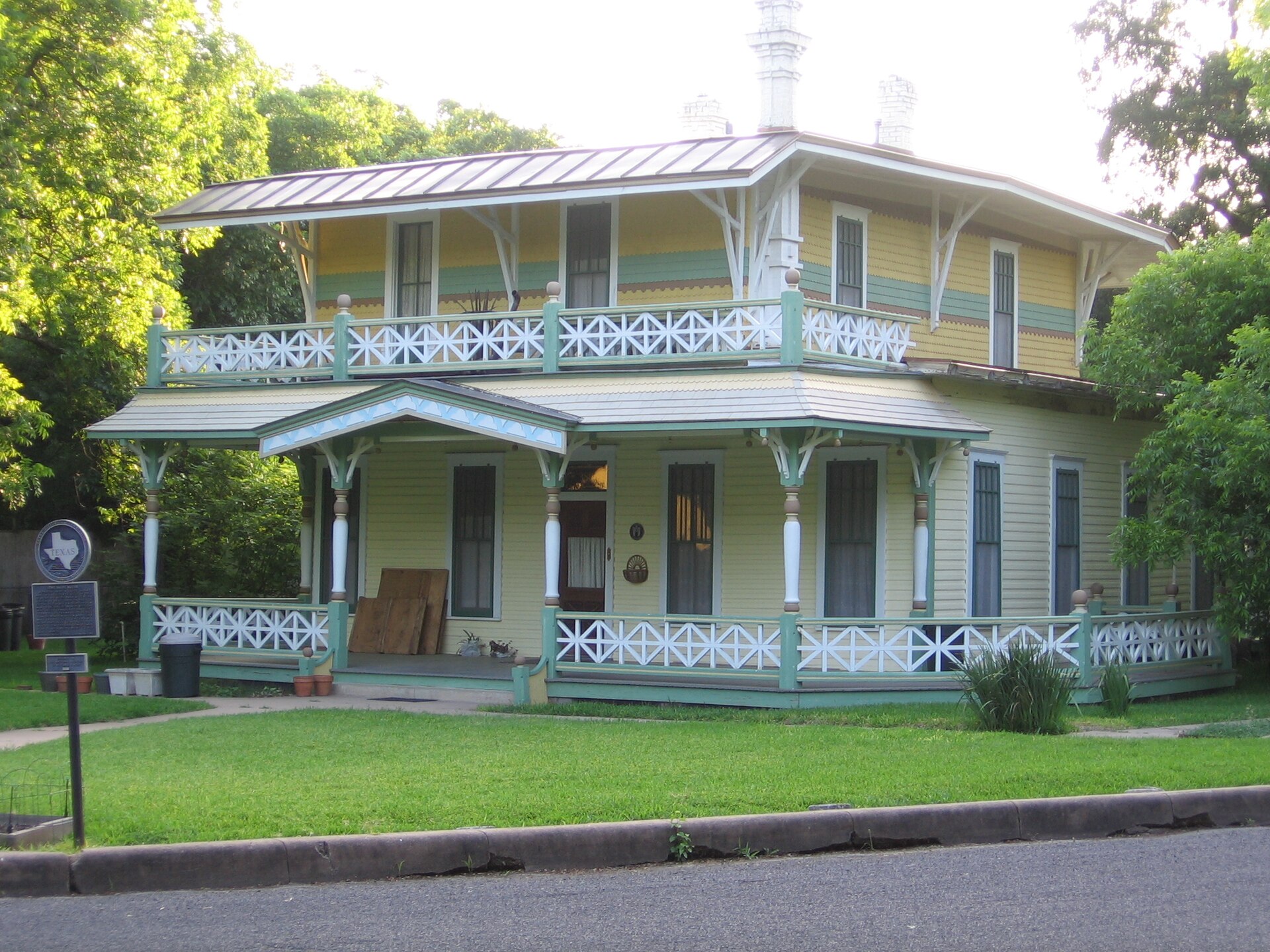
Shipe built his own house at 3816 Avenue G in 1892, a Queen Anne showpiece raised partly on lumber salvaged from the fair's grandstand. His marketing carried an exclusion that belongs in the record. Hyde Park was sold as a suburb for white buyers, advertised as free from nuisances and an objectionable class of people, with restrictions aimed at keeping out undesirable occupants. The sales pitch built segregation into the neighborhood's foundation, a chapter its own local histories state plainly.
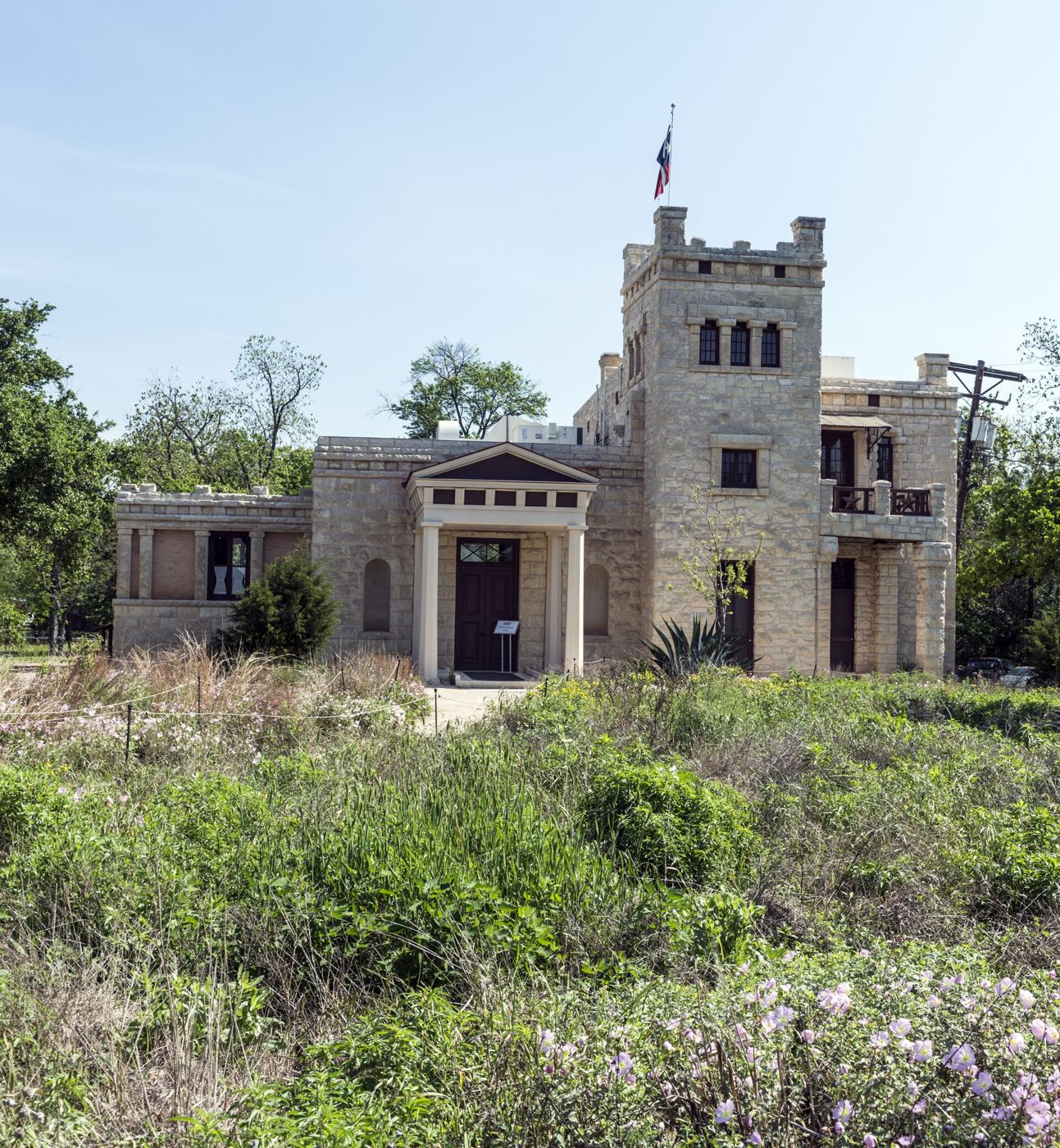
The suburb's most original resident arrived the same year. Elisabet Ney, a German born sculptor with a European reputation, bought two and a half acres in 1892 and built Formosa, a limestone studio named with the Portuguese word for beautiful. There she took up the commission that defines her Texas years: life size statues of Sam Houston and Stephen F. Austin, modeled for the 1893 World's Columbian Exposition in Chicago. The fair deadline slipped past her, and the finished marbles came later; today they stand in the Texas Capitol and in National Statuary Hall at the U.S. Capitol. Formosa's parlor filled with legislators, artists, and students arguing politics and philosophy, and Ney worked in the studio until her death in 1907. Her friends preserved Formosa and its contents, the seed of the Elisabet Ney Museum.
Construction filled the grid for four decades, bungalows and Tudor Revival cottages joining the Victorians, and a second enclave around Shipe's own house took the name Shadow Lawn. Residents founded the Hyde Park Neighborhood Association in 1974, and on August 16, 1990, the Hyde Park Historic District entered the National Register of Historic Places. The city adopted a local historic district in 2010. The streetcars stopped running in 1941. The plan they paid for still runs the neighborhood.
Timeline
- 1875: State Fair of Texas opens on the grounds, racetrack included.
- 1890: Shipe wins the streetcar franchise.
- 1891: Hyde Park platted as Austin's first streetcar suburb.
- 1892: Shipe House built on Avenue G; Elisabet Ney builds Formosa.
- 1893: Ney models Sam Houston and Stephen F. Austin for the World's Columbian Exposition.
- 1907: Ney dies at Formosa; friends preserve the studio.
- 1974: Hyde Park Neighborhood Association founded.
- August 16, 1990: Hyde Park Historic District joins the National Register.
- 2010: City of Austin adopts the Hyde Park Local Historic District.
What It Actually Feels Like
Shade runs the neighborhood. Live oaks and pecans close over the lettered avenues, and the housing does the rest: deep porches, painted Victorians, bungalows with sleeping porches, and duplexes tucked behind hedges. The interior blocks stay quiet enough to hear a screen door. Life concentrates at the edges, with the bakery and bar and grill cluster on 43rd Street, groceries and coffee on Guadalupe, and students crossing toward the university at the south end. On summer mornings the line forms early at the Shipe Park pool.

Pros and Cons
Pros
- Documented historic stock, with national and local historic districts protecting the streetscape.
- Bike Score of 94 (Walk Score, October 2026) on a flat, shaded grid.
- Three miles to Downtown Austin, with the University of Texas at the south edge.
- A working local retail cluster: bakery, bookstore, cheese shop, grocery, and bars within a few blocks of most houses.
- Rental variety, from garage apartments to small buildings, keeps a way in below purchase prices.
Cons
- Property taxes run about $2.10 per $100 of taxable value across the five taxing entities (Austin Current, October 2026), a carrying cost that catches newcomers off guard.
- The median sale price fell 12.6% in a year (Redfin, August 2026), so recent buyers have seen paper losses and timing matters.
- The stock is old: plan budgets for pier and beam foundations, aging plumbing and electrical, and roofs under heavy tree cover.
- Historic district rules shape exterior changes, additions, and demolitions.
- Guadalupe Street carries heavy traffic along the west edge, and streets near the university fill with parked cars during term.
- Nightlife is thin and evenings end early; the neighborhood trades buzz for quiet.
Housing in Detail
The entry band, from the $160,000s to about $300,000, buys small condos along Speedway and Guadalupe Street, usually 400 to 700 square feet. The mid band, roughly $600,000 to $950,000, is the working center of the market: bungalows, duplexes sold as pairs, and updated smaller houses of 1,000 to 2,000 square feet. The top band, $1.2 million to about $2 million, buys renovated historic houses, new construction on scraped lots, and a few genuine Victorians. Homes sold after about 54 days on market in the three months ending August 2026, at 97.9 percent of list price on average (Redfin, August 2026).
Renting first is easy here because the stock was built for it. Apartments.com put average apartment rent at $1,128 a month as of October 2026, and duplex units, garage apartments, and whole houses rent above that average. Buying builds equity in a supply constrained historic district. Renting buys a porch and a bike commute at a fraction of the carrying cost. One closing quirk matters: Texas reassesses at market value around a sale, so a buyer's first tax bill lands near the full combined rate, while a longtime neighbor with exemptions and the appraisal cap may pay far less on a similar house.
Daily Life
The 43rd Street cluster carries the daily routine: Quack's 43rd Street Bakery at 411 E 43rd Street, Hyde Park Bar and Grill, Asti Trattoria, Antonelli's Cheese Shop, First Light Books, and a Fresh Plus grocery sit within a few blocks of each other near Duval. Guadalupe Street adds coffee, tacos, and the bus lines along the west edge, and Central Market sits a short ride west on North Lamar. Shipe Park, on Avenue G in the middle of the grid, holds the pool and tennis courts. Lee Elementary sits inside the neighborhood, the Hancock Golf Course is just east across Duval, and the University of Texas begins at the south edge.
Best For / Think Twice If
Best for: buyers who want a house with documented history and a porch; cyclists who will actually use the flat grid daily; households commuting to Downtown, the Capitol, or the university; renters who want a central neighborhood with houses rather than towers.
Think twice if: property tax bills near five figures will strain the budget; you need parking for several cars and room to spread out; you want new construction throughout, since most stock is vintage; you rely on late night dining close to home.
Top Properties Right Now
$750,000
712 E 44th St Unit A, Austin, TX 78751
4 beds, 3 baths, 2,052 sq ft. Listed on Redfin since November 14, 2025.
The 1939 bungalow at 44th and Caswell, run in recent years as a short term rental called The HydeOut, lives like a standalone house on a shaded corner lot, with original hardwood floors, a fireplace, a big covered porch, and parking for four. HOA dues run $167 a month. The long listing window is the opening: bring a real offer.
Listing verified on Redfin, October 12, 2026. View on Redfin
$885,000
809 E 44th St, Austin, TX 78751
4 beds, 2 baths, 1,834 sq ft. Listed on Redfin.
A 1941 duplex a short walk from the 43rd Street cluster, sold as a two unit property: each side carries 2 beds and 1 bath, and both units have leased in recent years, so an owner can live in one side and rent the other, or hold the pair as an investment.
Listing verified on Redfin, October 12, 2026. View on Redfin
$1,200,000
811 E 46th St, Austin, TX 78751
4 beds, 2.5 baths, 2,364 sq ft. 86 days on Realtor.
A 1938 house with original woodwork and builtins, an updated kitchen, and a deck under mature trees, plus a detached two car garage with an upper level apartment that works as a guest suite, office, or rental. The price has already come down from $1,300,000.
Listing verified on Realtor, October 12, 2026. View on Realtor
$1,275,000
1016 E 43rd St, Austin, TX 78751
4 beds, 3 baths, 2,376 sq ft. Listed July 20, 2026.
An updated 1937 house on the neighborhood's east side, with open concept living, original hardwood floors, a kitchen island, and a screened porch over a private yard. The sellers cut the price from $1,300,000 on September 8, 2026.
Listing verified on Coldwell Banker, October 12, 2026. View on Coldwell Banker
Nearby Alternatives
- North Loop: the scruffier sibling directly north, with vintage shops and bars along North Loop Boulevard and postwar cottages, at a Realtor median listing price of $532,000 (October 2026).
- Brentwood: mid century ranches and Brentwood Park a few minutes northwest, at a Realtor median listing price of $725,000 (September 2026), similar money with a more suburban feel.
- Rosedale: quieter streets, Ramsey Park, and the Burnet Road corridor west of Lamar, at a Realtor median listing price of $985,000 (September 2026), a step up in price.
Sources
Data as of the dates shown above. Refresh due within 90 days for listings and 6 months for market data.
- Redfin, Hyde Park housing market page, median sale price, three months ending August 2026: redfin.com/neighborhood/172898/TX/Austin/Hyde-Park/housing-market
- Redfin, Hyde Park listings page, trend module and nearby prices, October 2026: redfin.com/neighborhood/172898/TX/Austin/Hyde-Park
- Apartments.com, Hyde Park, Austin neighborhood page, average rent, October 2026: apartments.com/hyde-park-austin-tx
- Walk Score, Austin neighborhood rankings table (Hyde Park: Walk 78, Transit 56, Bike 94), October 2026: walkscore.com/TX/Austin/Chestnut
- Walk Score, 3900 Avenue C, Hyde Park, October 2026: walkscore.com/score/3900-ave-c-austin-tx-78751
- Rome2Rio, Hyde Park to Downtown Austin by bus, October 2026: rome2rio.com/Bus/Hyde-Park-TX-USA/Downtown-Austin
- Austin Current, Austin and Travis County property taxes and affordability, October 5, 2026: austincurrent.org
- Realtor, Brentwood local market data, September 2026: realtor.com/local/market/texas/austin/brentwood
- Realtor, Rosedale local market data, September 2026: realtor.com/local/market/texas/austin/rosedale
- Redfin, 712 E 44th St Unit A listing, MLS #1150239, October 12, 2026: redfin.com listing page
- Redfin, 809 E 44th St listing, MLS #1945768, October 12, 2026: redfin.com listing page
- Realtor, 811 E 46th St listing, October 12, 2026: realtor.com listing page
- Coldwell Banker, 1016 E 43rd St listing, MLS #6492548, October 12, 2026: coldwellbankerhomes.com listing page
- Compass, 1016 E 43rd St price history (listed July 20, 2026; price change September 8, 2026): compass.com listing history
- City of Austin, Elisabet Ney Museum (Formosa Studio, 1892): austintexas.gov/ney
- National Park Service, Formosa: The Elisabet Ney Studio and Museum: nps.gov
- Hyde Park Neighborhood Association, 15th Annual Hyde Park Homes Tour booklet (1991), foreword by Peter Flagg Maxson (1891 platting, National Register listing August 16, 1990): squarespace.com (PDF)
- Hyde Park Neighborhood Association, 2024 Homes Tour booklet (HPNA founded 1974, local historic district adopted 2010): squarespace.com (PDF)
- Hyde Park (Austin, Texas), district data and Shipe advertising history: en.wikipedia.org
- Col. Monroe M. Shipe House (built 1892, grandstand lumber): en.wikipedia.org
- Carol M. Highsmith, Cottage in the Hyde Park neighborhood of Austin, Texas (hero photograph), April 19, 2014, Library of Congress, Wikimedia Commons, public domain: commons.wikimedia.org
- Carol M. Highsmith, The Elisabet Ney Mansion (story photograph), April 19, 2014, Library of Congress, Wikimedia Commons, public domain: commons.wikimedia.org
- David E Hollingsworth, Monroe Shipe House (photograph), May 19, 2005, Wikimedia Commons, CC BY-SA 3.0: commons.wikimedia.org