
Neighborhood Report
Park Slope, Brooklyn, New York City, New York
Park Slope sells at a median of $1,939,064 (Redfin, August 2026). Buyers pay for 526 acres of Olmsted and Vaux parkland, the largest landmarked row house district in New York City, and subway rides of 20 minutes to Lower Manhattan and 31 minutes to Midtown.
The short version
Park Slope
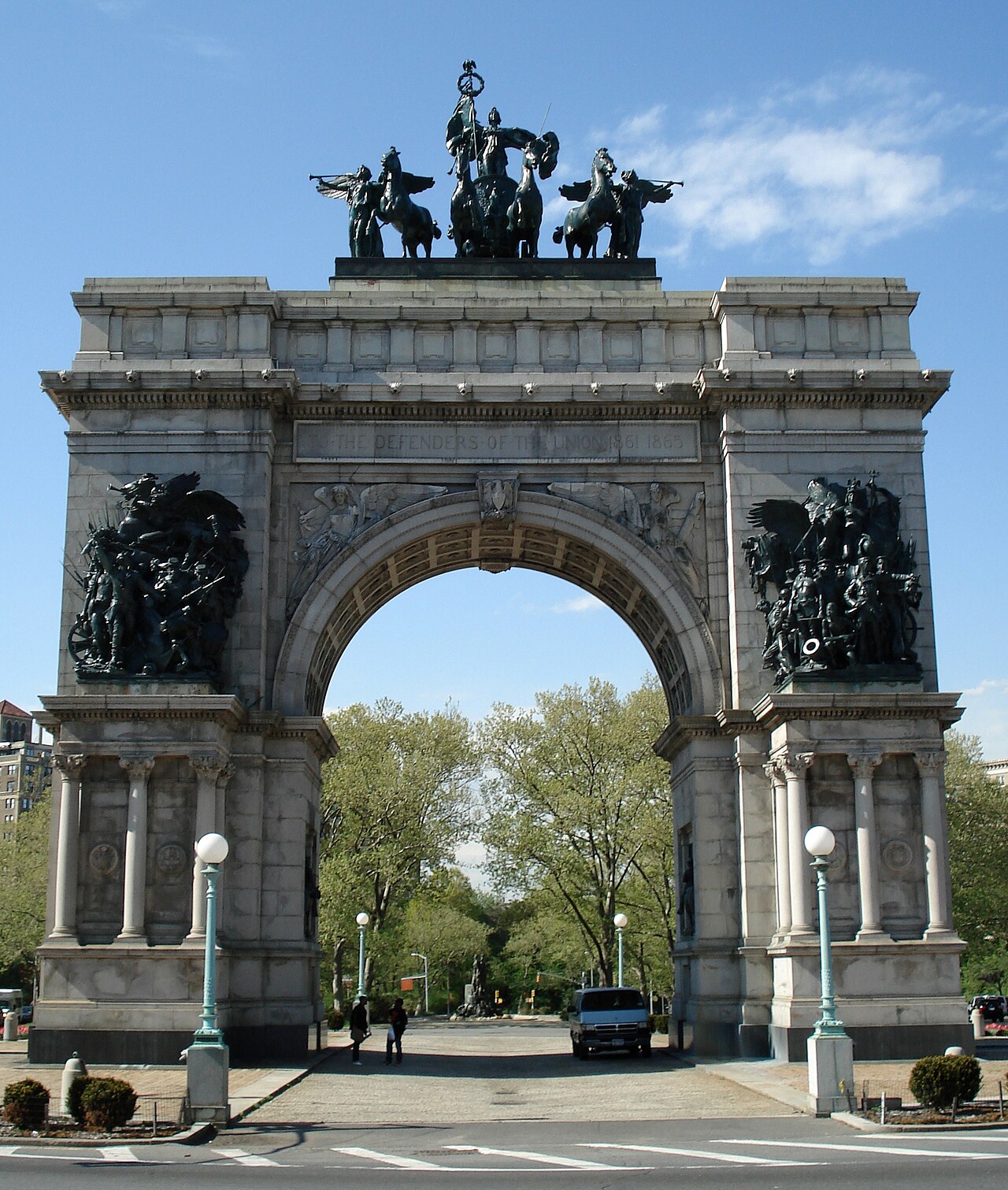
A Brooklyn neighborhood of brownstone and limestone row houses beside Prospect Park, with a landmarked district of about 2,575 buildings, two retail avenues, and a food co-op that still runs on member labor shifts.

At a Glance
| Measure | Figure | Source and as of date |
|---|---|---|
| Median sale price, all home types | $1,939,064 | Redfin neighborhood data, August 2026 |
| 1 year price change | Up 7.7% year over year | Redfin, August 2026 |
| Median rent | $3,885 per month, all unit sizes | StreetEasy Park Slope neighborhood page, accessed October 2026 |
| Walk Score | 98 out of 100 | Walk Score neighborhood table, accessed October 2026 |
| Transit Score | 100 out of 100 | Walk Score neighborhood table, accessed October 2026 |
| Bike Score | 89 out of 100 | Walk Score neighborhood table, accessed October 2026 |
| Distance to Midtown Manhattan | About 8 miles | Rome2Rio, accessed October 2026 |
| Commute to Midtown Manhattan | About 31 minutes by train | Rome2Rio, accessed October 2026 |
| Commute to Lower Manhattan | About 20 minutes by subway to the Wall Street area (direct R train, about 18 minutes) | Rome2Rio, accessed October 2026 |
| Typical housing stock | Brownstone and limestone row houses from the 1880s to 1900s, mansion rows on Prospect Park West, prewar co-ops on Plaza Street and the park blocks | NYC Landmarks Preservation Commission, Park Slope Historic District reports |
Second measure. StreetEasy's August 2026 report: a $1.875 million median on 31 sales, 61.3 percent above asking. PropertyShark, Q2 2026: $1,810,000. Redfin is the headline as the most recent monthly read.
New York cost notes. The mansion tax starts at 1 percent on purchases of $1 million or more and rises on graduated rates to 3.9 percent at $25 million and above (NY State Department of Taxation and Finance, TSB-M-19(1)R). Co-op buyers face a board application, an interview, and at least 20 percent down (StreetEasy). Brownstone owners carry the building: the 1905 townhouse below pays $1,609 a month in property taxes (Compass), and exterior work in the historic district needs Landmarks Preservation Commission approval.
Scores
The Story
Park Slope was farmland first. Lenape communities lived across Long Island, and Dutch families farmed the slopes above Gowanus Creek in the 1600s. In 1699 Claes Arentson Vechte built a stone farmhouse beside the creek, at what is now Third Street between Fourth and Fifth Avenues (NYC Parks).
On August 27, 1776, that house became a strongpoint in the Battle of Brooklyn. About 2,000 British and Hessian soldiers held it as an artillery position and fired on Americans retreating across the creek. Some 400 Maryland soldiers attacked the house six times and took it twice. Close to three quarters of them died, and their stand covered the retreat (NYC Parks). The original was demolished in 1897; the Old Stone House standing today is a 1930s reconstruction.
The park changed everything after it. Prospect Park, designed by Frederick Law Olmsted and Calvert Vaux, opened in 1867 on 526 acres at the neighborhood's eastern edge. Builders followed. Through the 1880s, 1890s, and 1900s they filled the slope with brownstone and limestone row houses. The blocks along Prospect Park West filled with mansions that earned the strip a Gold Coast label, and Plaza Street filled with large apartment houses around Grand Army Plaza, the park's main entrance.

The 20th century cut the other way. After World War II, many row houses were divided into rooming houses and small apartments, and the neighborhood's standing fell. Then, on December 16, 1960, United Flight 826 collided with a TWA flight over Staten Island. The United jet came down at Seventh Avenue and Sterling Place, setting fire to ten brownstones, a church, a funeral home, and other buildings. The crash killed 134 people, including six on the ground. An 11 year old passenger, Stephen Baltz of Wilmette, Illinois, survived the fall into a snowbank and died the next day at Methodist Hospital, the sole initial survivor (NYC Municipal Archives).
The recovery was already starting. Young buyers began purchasing and restoring brownstones in the 1960s, drawn by the housing stock and the park. On July 17, 1973, the Landmarks Preservation Commission designated the Park Slope Historic District. Extensions in 2012 and 2016 brought it to about 2,575 buildings across roughly 40 blocks, the largest landmarked neighborhood in the city. The Park Slope Food Coop was founded on Union Street the same year, 1973.
The history shows in the daily rules. Facades inside the district cannot change without city review. The Old Stone House runs a museum beside a playground and skate park. A memorial at Green-Wood Cemetery marks the 1960 crash, and the Food Coop still runs on member labor shifts.
Timeline
- 1699: Vechte-Cortelyou House built beside Gowanus Creek.
- August 27, 1776: Battle of Brooklyn fighting at the house.
- 1867: Prospect Park opens.
- 1880s to 1900s: Row house boom and Prospect Park West mansion era.
- December 16, 1960: United Flight 826 crashes at Seventh Avenue and Sterling Place, 134 dead.
- July 17, 1973: Park Slope Historic District designated.
- 1973: Park Slope Food Coop founded.
- 1989: Grand Army Plaza Greenmarket begins.
- 2012 and 2016: District extensions bring it to about 2,575 buildings.
What It Actually Feels Like
The park edge sets the schedule. Runners and dog walkers enter at Grand Army Plaza and along Prospect Park West early, and the Long Meadow fills on fair Saturdays. Seventh Avenue carries the older retail mix of bookstores and cafes; Fifth Avenue runs louder, with more bars and restaurants. The side streets are the quiet product: stoops, street trees, and brownstone facades the landmark rules keep intact. Saturday mornings concentrate at the Grand Army Plaza Greenmarket.
Pros and Cons
Pros
- Prospect Park: 526 acres with the Long Meadow, a 60 acre lake, and the Ravine, designed by Olmsted and Vaux (NYC Parks).
- Transit depth: Transit Score 100, with the Atlantic Av-Barclays hub and the F, G, R, 2, 3, 4, 5, B, and Q lines.
- Two retail avenues, the Food Coop, and a year-round Saturday greenmarket handle daily shopping.
- Commutes run about 20 minutes to Lower Manhattan and 31 minutes to Midtown (Rome2Rio).
Cons
- Price: a $1,939,064 median (Redfin, August 2026), and 61.3 percent of August sales closed above asking (StreetEasy).
- Parking is scarce: few garages or driveways on row house blocks, and street parking is a daily negotiation.
- Brownstone ownership means building ownership: roofs, facade repointing, boilers, and LPC review for exterior work.
- Listings for the homes below name PS 321 as the assigned elementary school, and seats in that zone are a recurring competition point for buyers.
Housing in Detail
The entry band, about $550,000 to $1 million, buys co-op apartments, one and two bedrooms in prewar buildings and brownstone conversions. A one bedroom co-op at 500 3rd Street asked $550,000 in October 2026 (StreetEasy, via Brownstoner). The mid band, about $1.3 million to $2.5 million, buys larger co-ops and condos, including park facing units on Prospect Park West. The top band, $4 million and up, buys whole brownstones and townhouses, with the widest park block houses reaching eight figures.
Renting first is common, and not cheap. StreetEasy puts the median rent at $3,885 a month across unit sizes. Apartments.com averages for June 2026 ran $3,566 for a one bedroom and $3,839 for a two bedroom. A mortgage at the median, with 20 percent down, runs well above the median rent before taxes and maintenance.
The format choice drives the carrying costs. Co-op maintenance bundles taxes and building costs, and boards vet buyers. Condos cost more per square foot, carry separate tax bills, and ask fewer questions at purchase. A whole brownstone removes the board and adds full responsibility for the structure, boiler, and facade, inside a landmark district that reviews exterior changes.
Daily Life
Prospect Park is the anchor: 526 acres, about 8 million visitors a year, with the Long Meadow, the Ravine, a 60 acre lake, and the Bandshell (NYC Parks). The Central Library stands at Grand Army Plaza, and the Brooklyn Museum sits beyond the park's northeast corner.
Seventh Avenue holds the traditional retail mix; Fifth Avenue holds more restaurants and nightlife. The Park Slope Food Coop, at 782 Union Street, is a member owned store founded in 1973 where members work a regular shift to shop (Park Slope Food Coop). The Grand Army Plaza Greenmarket runs every Saturday year-round, since 1989; GrowNYC calls it its Brooklyn flagship (GrowNYC).
Best For / Think Twice If
Best for: buyers who will use Prospect Park weekly; households that need real space; three and four bedroom layouts exist across co-ops and townhouses; subway commuters who want a 20 to 31 minute ride to Lower Manhattan or Midtown; buyers who value a documented historic streetscape and accept the rules that protect it.
Think twice if: your budget tops out under $1 million and you need two bedrooms; you need a garage or easy parking for more than one car; you plan major exterior changes to a house, since landmark review applies; you want new construction; nearly all stock here is vintage.
Top Properties Right Now
Four active listings, checked October 10, 2026, verified on Redfin as noted.
$899,000
487 6th Ave Unit 4R, Brooklyn, NY 11215
1 bed, 1 bath, 701 sq ft. Days on market not published on Redfin as of October 10, 2026.
The entry point: the only card here under $1 million, a one bedroom co-op in a 1920 building with maintenance of $991 a month.
Listing verified on Redfin (RLS at REBNY #RLS20119349, Douglas Elliman), October 10, 2026. Zillow link pending.
$1,400,000
487 3rd St #3, Brooklyn, NY 11215
2 beds, 1 bath, 850 sq ft. Days on market not published on Redfin as of October 10, 2026; listing updated September 14, 2026.
The mid range pick: a two bedroom co-op in a 1921 building two blocks from Prospect Park, with maintenance of $1,047 a month and high ceilings.
Listing verified on Redfin (RLS at REBNY #RLS20111863, Compass), October 10, 2026. Zillow link pending.
$1,689,999
9 Prospect Park W Unit 1A, Brooklyn, NY 11215
2 beds, 2 baths, square feet not published on Redfin. Days on market not published on Redfin as of October 10, 2026.
The park block pick: a two bedroom, two bath co-op in a 1929 building on Prospect Park West, with in-unit laundry and maintenance of $3,753 a month.
Listing verified on Redfin (RLS at REBNY #RLS20118863, Douglas Elliman), October 10, 2026. Zillow link pending.
$7,995,000
870 President St, Brooklyn, NY 11215
6 beds, 3 baths, 4,554 sq ft. Redfin does not publish days on market for this listing; Compass history shows the current listing period began September 23, 2026.
The top of the market: a 30 foot wide, 1905 townhouse in the historic district, one block from Prospect Park, with 13 rooms and monthly taxes of $1,609 (Compass).
Listing verified on Redfin (Compass, Leslie Frishberg Wolfowitz), October 10, 2026. View on Zillow
Nearby Alternatives
All medians from PropertyShark, Q2 2026, matching its Park Slope median of $1,810,000.
- Windsor Terrace: the quieter streets at the park's southwest corner, at a median sale price of $982,500, about $827,500 below Park Slope. The median rests on only 24 sales in the quarter.
- Prospect Heights: the museum and garden side of the park, at a median sale price of $1,425,000, about $385,000 below Park Slope.
- Fort Greene: a second historic row house district, at a median sale price of $1,629,200, about $180,800 below Park Slope.
Sources
Data as of the dates shown above. Refresh due within 90 days for listings and 6 months for market data.
- Redfin, Park Slope neighborhood page, median sale price $1,939,064, up 7.7% year over year, August 2026: redfin.com/neighborhood/31287/NY/New-York/Park-Slope
- StreetEasy, Park Slope neighborhood page, median rent $3,885, accessed October 10, 2026: streeteasy.com/neighborhoods/park-slope
- StreetEasy, August 2026 Brooklyn market report (31 Park Slope sales, median $1.875 million, 61.3% above asking), reported September 15, 2026
- PropertyShark, Brooklyn neighborhood market trends, Q2 2026 medians (Park Slope $1,810,000; Prospect Heights $1,425,000; Fort Greene $1,629,200), via Brooklyn Bridge Parents summary: brooklynbridgeparents.com
- PropertyShark, Windsor Terrace housing market trends, Q2 2026 median $982,500 on 24 transactions: propertyshark.com
- Apartments.com, Park Slope local guide, average rents by bedroom, June 2026: apartments.com/local-guide/park-slope-brooklyn-ny
- Walk Score, Park Slope (Walk 98, Transit 100, Bike 89): walkscore.com/NY/New_York/Park_Slope
- Rome2Rio, Midtown Manhattan to Park Slope by train, 31 minutes: rome2rio.com/Train/Midtown-Manhattan/Park-Slope
- Rome2Rio, Park Slope to Occupy Wall Street, subway about 20 minutes: rome2rio.com/s/Park-Slope/Occupy-Wall-Street
- NYC Parks, Washington Park highlights, the Old Stone House and the Battle of Brooklyn: nycgovparks.org/parks/washington-park/highlights/138
- NYC Parks, Prospect Park (526 acres, Olmsted and Vaux, opened 1867): nycgovparks.org/parks/prospect-park
- NYC Landmarks Preservation Commission, Park Slope Historic District Extension II designation report (district designated July 17, 1973; about 2,575 buildings after 2012 and 2016 extensions): s-media.nyc.gov (PDF)
- NYC Municipal Archives blog, the December 16, 1960 plane collision at Seventh Avenue and Sterling Place: archives.nyc/blog
- GrowNYC, Grand Army Plaza Greenmarket (Saturdays year-round since 1989): grownyc.org
- Park Slope Food Coop (founded 1973, 782 Union Street): foodcoop.com
- NY State Department of Taxation and Finance, memo TSB-M-19(1)R (mansion tax): tax.ny.gov (PDF)
- StreetEasy, Co-op vs. condo explainer, accessed October 10, 2026: streeteasy.com/blog/co-ops-vs-condos-nyc-home-buyers-guide
- Brownstoner, Park Slope brownstone co-op at 500 3rd Street asks $550,000 (Compass listing, open house October 11, 2026), October 2026: brownstoner.com
- Redfin, 487 6th Ave Unit 4R (MLS #RLS20119349), accessed October 10, 2026: redfin.com listing page
- Redfin, 487 3rd St #3 (MLS #RLS20111863), accessed October 10, 2026: redfin.com listing page
- Redfin, 9 Prospect Park W Unit 1A (MLS #RLS20118863), accessed October 10, 2026: redfin.com listing page
- Redfin, 870 President St, accessed October 10, 2026: redfin.com listing page
- Compass, 870 President Street (active listing from September 23, 2026; taxes $1,609 per month; 4,554 sq ft), accessed October 10, 2026: compass.com listing page
- Corcoran, 870 President Street (6 beds, 3 baths, built 1905, for sale), accessed October 10, 2026: corcoran.com listing page
- Jeffrey O. Gustafson, The Soldiers and Sailors Memorial Arch at Grand Army Plaza (hero photograph), Wikimedia Commons, CC BY-SA 3.0: commons.wikimedia.org
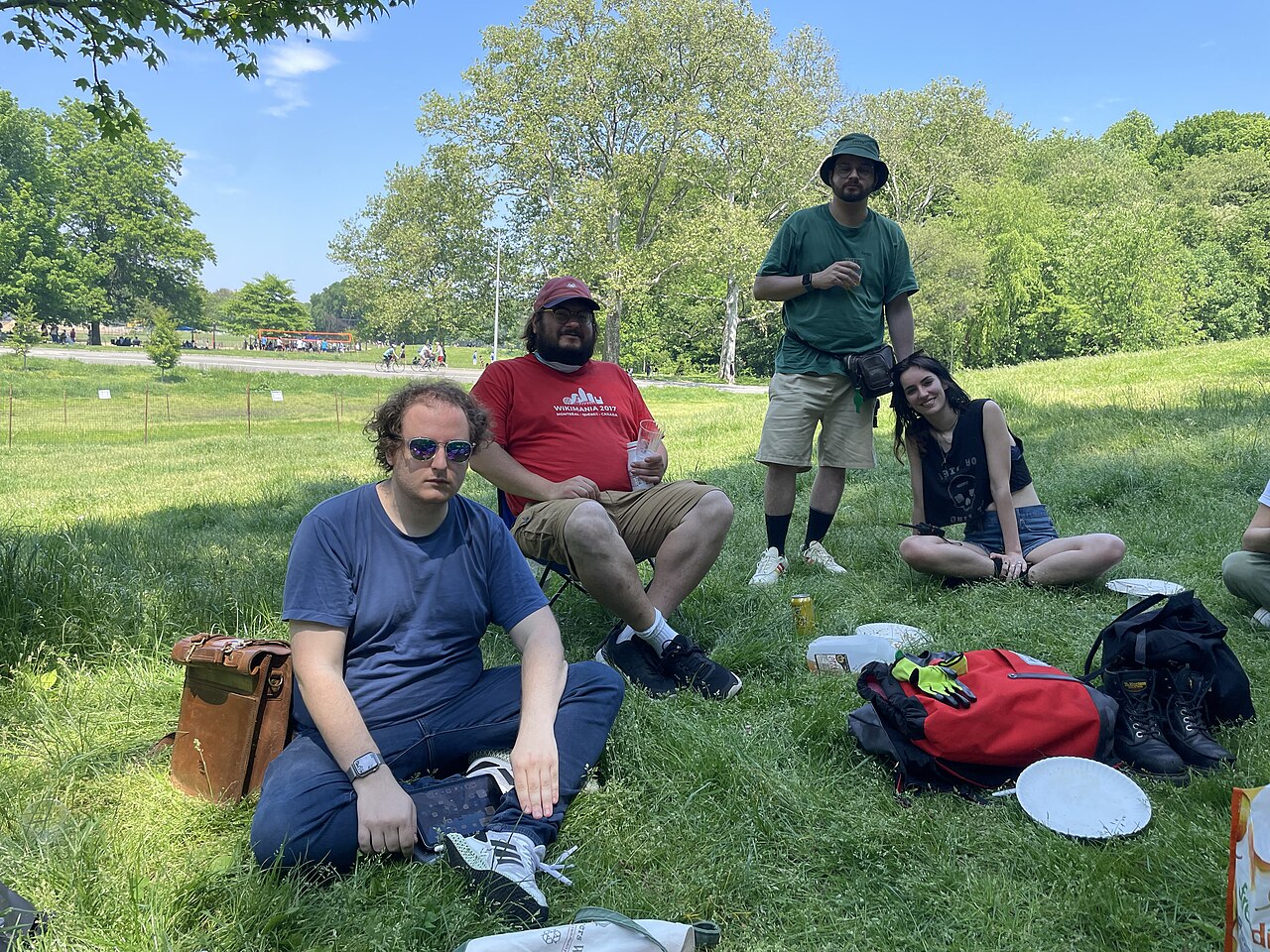
- wil540, Prospect Park in use (story photograph), 2022, Wikimedia Commons, CC BY-SA 4.0: commons.wikimedia.org